
Let us guide you through Tanzania.
Tanzania has something to offer all year round. There is no right or wrong time to visit, just different experiences with the change of seasons.
Tanzania is one of the largest countries in Africa and its sheer size means that the climate varies considerably. The safari circuit is influenced by two main seasons: the high season and the low season, largely defined by rainfall patterns.

High Season
Drier conditions make for better game viewing as the animals don’t venture far from the water and thinner vegetation allows for better visibility.
-
The short dry season in February and early March are great times to explore Tanzania, January marks the end of the short rains. The lush, green vegetation looks beautiful at this time of year with migrant birds bolstering resident populations.
Late January to February is the time to see the calving in the Southern Serengeti – an excellent time to see predator action.
January to March can be crowded around the Seronera area.
-
Rainfall is unusual and clear days are common. Temperatures vary depending upon location and altitude, but generally expect mornings and nights to get cold.
PROS:
The thick bush thins out and wildlife is easier to spot.
Animals gather around the rivers and waterholes.
Lots of sunshine with afternoon temperatures around 25°C / 77°F
Easier to spot the Great Migration and iconic river crossings.
CONS:
The park gets crowded, especially around the Seronera area.
Cold at night and early in the morning with minimum temperatures around 14°C / 57°F.
-
More vehicles and visitors
Highest accommodation rates
Availability of lodges is competitive
Cooler temperatures | 5 - 20 degrees
Fewer mosquitoes
Fewer migrant birds

Low Season
The low season has two rainy seasons:
the long rains (masika) from late March to early May
short rains (mvuli) November through December.
-
Afternoon tropical downpours are common, humidity is high and temperatures reach above 30 degrees celsius.
Birdwatching is at its best.
-
Rainfall tends to be short showers, interspersed with bursts of sunshine which can make for excellent photography.
The wildebeest return to the short- grass plains and calving ground around Ndutu in late November. And from here, the Great Migration starts all over again.
-
Fewer tourists and lower rates for accommodation, especially in April and May
Higher chance of rain
Warmer temperatures | 15 - 35 degrees
Abundant with birdlife
May be harder for game viewing as the grasses get longer
80% of the wildebeest give birth during the calving seasons of late January to mid March
Lush, green vegetation
Great for bird watching
Babies are born in the low season and birds return, visitor numbers are lower and safaris more affordable.
The rainy seasons can be a beautiful time to visit as the vegetation is at its most lush and green.

The Great Wildebeest Migration
The Great Wildebeest Migration is the largest overland migration on earth, with wildlife traversing over 800 km of Tanzania’s Serengeti and Kenya’s Maasai Mara to feed on new grass and search for a good water supply.
-
Every year half a million wildebeest are born on the Serengeti plains, and February is the month with the highest birthing rate, sometimes seeing as many as 8,000 born per day.
The first rains in the southern Serengeti plains mobilise the herds to move gradually from southeast to southwest.
Ndutu Plains and Southern Serengeti are ideal to experience the migration in Jan - March, with calving season generally beginning in February and predators in abundance.
This is also an opportune time for Cheetah sightings.
-
The herds start moving northwards from the Ndutu region toward central Serengeti. As the calves get bigger and stronger, the distances the herd covers get longer as they head towards Lake Magadi in central Serengeti.
-
The rains begin to ease and the herds disperse heading north. The leaders reach Mbalageti River, while those following could be as far back as Lake Magadi or in the southernmost corner of the Simiti and Nyamuma Hills.
-
July - Grumeti River crossings (Serengeti)
July is mating season and you may experience herds in the Grumeti section of western Serengeti.
Crossings of the Grumeti River are worth hanging around for, but the Serengeti is vast and relatively under-developed with lodges, so river crossings are harder to access.
-
This is the season to see Mara River crossings. By August the herds have made their way to the northern Serengeti and face their biggest challenge yet: the Mara River.
This fast flowing river runs through the Maasai Mara (Kenya) into the Serengeti (Tanzania) with river crossing attempts killing many thousands of wildebeest each season.
Some herds simultaneously plunge off the steep river banks attempting to cross the river with some falling to their death as prey approach during this opportune moment.
Others drown crushed by the sheer volume of panicking wildebeest trying to scramble up the equally steep banks on the other side, providing a feast for the waiting crocodiles, birds and fish.
During August to mid-October the herds move back and forth over the Mara River - in both the Serengeti and Maasai Mara. By late October, most herds are in the eastern Maasai Mara.
-
Early rains in November mobilise the herds to leave Kenya and head south into western Loliondo and the Lobo area in Serengeti National Park, organising themselves into smaller family groups.
Between 1.5 to 2 million wildebeest, zebras, and other species follow a circular pattern with herds following the rains for nutritious grazing - moving continuously in a clockwise direction up from the south of the Serengeti, through the Ngorongoro Conservation Area, the Loliondo Game Controlled Area, and the Grumeti Reserve.
They leave Tanzania briefly to spend time in the Maasai Mara in Kenya, before heading back south to start the journey again.
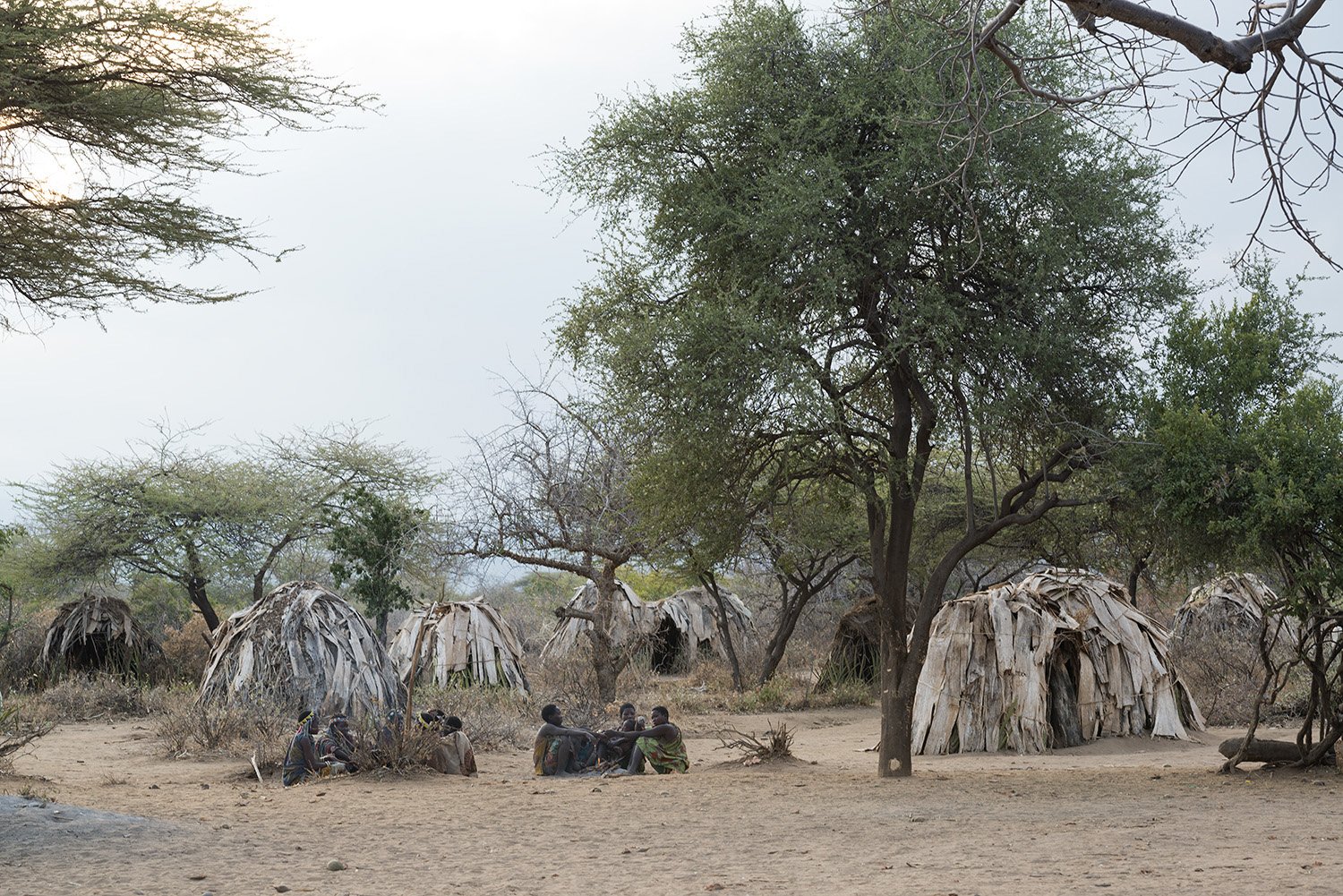
“Africa changes you forever, like nowhere on earth. Once you have been there, you will never be the same. But how do you begin to describe its magic to someone who has never felt it? How can you explain the fascination of this vast, dusty continent, whose oldest roads are elephant paths? Could it be because Africa is the place of all our beginnings, the cradle of mankind, where our species first stood upright on the savannahs of long ago?”
-Brian Jackman.”